Marco Pezzuto is a new-generation winemaker who grew up in Roero, Piedmont. His aim is to create wines that reflect the complexity of their origins while remaining approachable—wines with an effortless sense of joy. Their character combines the brightness associated with Roero with an intelligence evident in every carefully considered detail.
Fascinated by vineyards from an early age, Marco studied winemaking before gaining experience at wineries across Roero and the Langhe. In 2017, he stepped away from the cellar and established himself as a beekeeper. Moving hundreds of bee colonies throughout Piedmont with the changing seasons—and taking them to Liguria and, at times, the Tuscan Maremma during winter—gave him a firsthand understanding of the health of the land and the cycles of its ecosystem. That experience ultimately led him back to wine, shaping both his organic approach to viticulture and the creation of wines bearing his own name.
Marco released his first vintage in 2021 from vineyards planted in 2018. Since then, he has added parcels of old vines planted in 1950 and 1980, building a range that expresses Roero with honesty and precision. Working in the underground cantina beneath his grandfather's house, he avoids excessive extraction and pursues wines defined by delicacy, energy, and brightness. For Marco, terroir is not limited to soil and climate; it also includes the people working in the vineyard and the cellar.
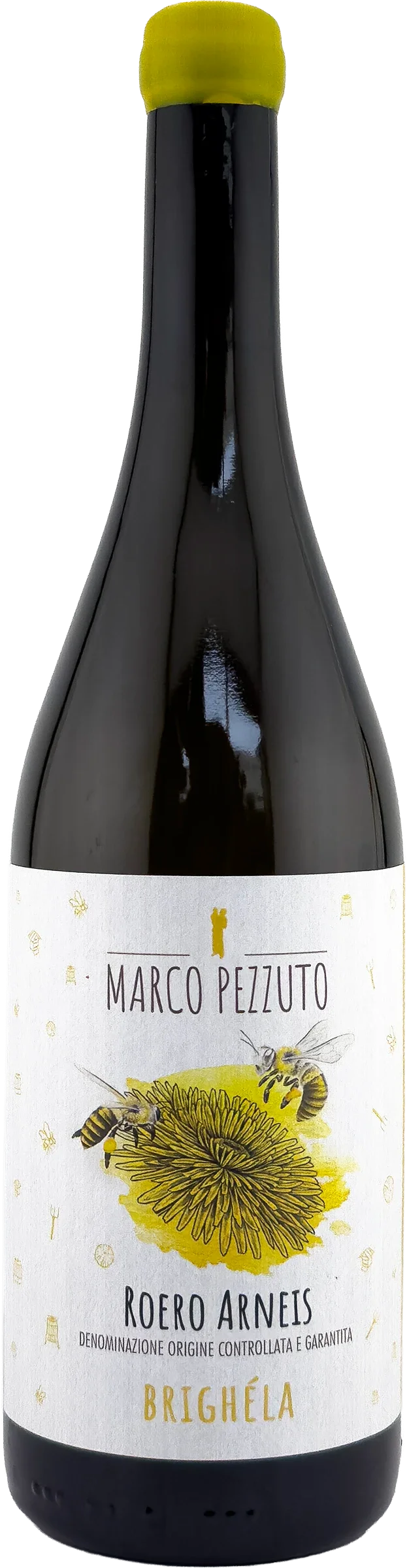
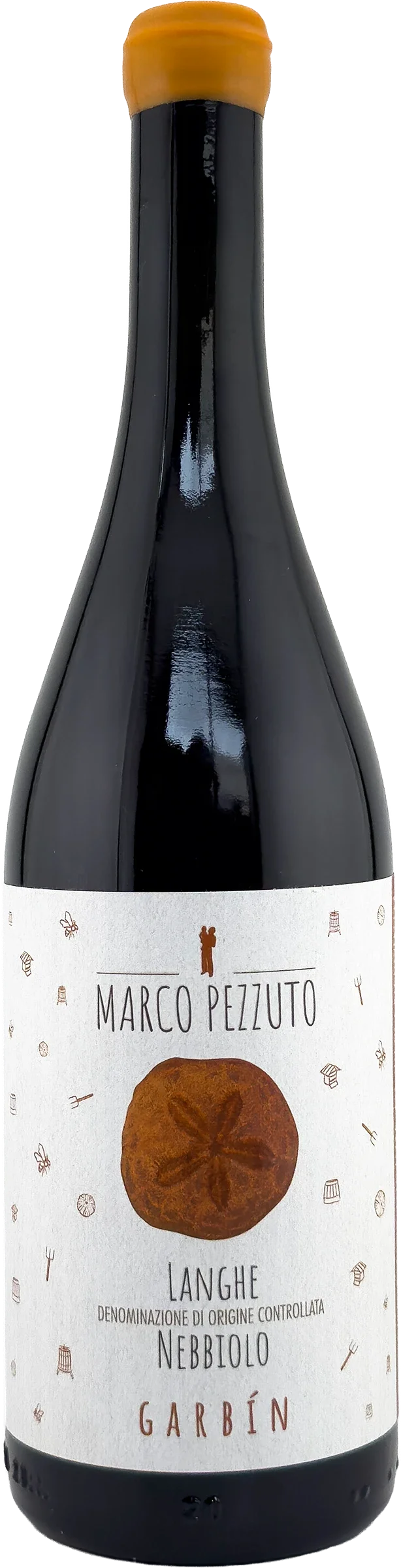
Each cuvée's label also carries a piece of Marco's life and his connection to the land. The bee displayed prominently on the Arneis label represents his other life as a beekeeper. The sea urchin fossil depicted on the Nebbiolo label was inspired by fossils he discovered while digging between the rows to bury compost. Many appeared in a weaker section of the vineyard. They are evidence that this land lay beneath the sea millions of years ago, and today the roots of his young Nebbiolo vines are growing down into those fossil-rich layers.
These fossils are found only in some of Roero's oldest geological formations, where the proportion of sand is lower than average and layers of blue Lugagnano clay emerge. They have therefore become a powerful symbol of the land's ancient origins.
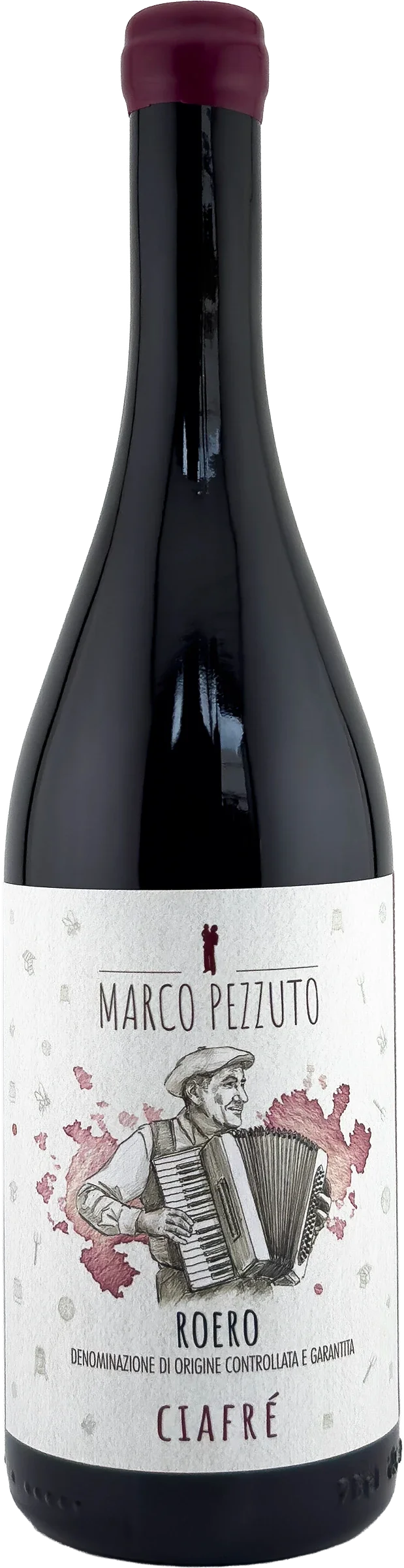
The accordion player, meanwhile, is a tribute to Roero's rural culture, when the voices of farmers once echoed across the hills. Marco's grandfather told him how people working in neighbouring vineyards would spontaneously begin to sing, their voices carrying from one hillside to the next. Marco keeps that memory alive today, still singing old folk songs with friends and continuing the tradition over bottles of good wine.